June 18th, 2009
In this month’s podcast we interview Rosalinda Guillen, founder of Community2Community, a women-led food justice and immigration cooperative from Bellingham, Washington.
Posted in Uncategorized | Comments Off on Greater Mexico podcast no. 6 June 2009: ICE and Immigration Reform
February 16th, 2009
In this podcast we examine the effects of the Obama election on the Chicano/Mexicano community in the Greater Lansing and Michigan areas. We are fortunate to interview MSU and Lansing’s very own Ernesto Todd Mireles. Todd is a Ph.D student in American and Chicano/Latino Studies looking at social mobilization strategies in the Americas. Moreover, Todd has been a leading student and community activist, involved in issues ranging from the UFW Grape Boycott to campaign manager to Tony Benavides’ successful mayoral campaign. He is currently reviving the Xicano Development Center, a grassroots organization based in Lansing.
Posted in Uncategorized | 2 Comments »
December 15th, 2008
In this month’s podcast we are joined by Miguel Angel Cabanas, associate professor of Spanish and Portuguese literature at Michigan State University. During the podcast Professor Cabanas talks to us about the history of the corrido, its roots in the Mexican Revolution and its modern evolution. He is also kind enough to sing some of the genre’s greatest hits. Dr Cabanas is author of The Cultural “Other” in Nineteenth-century travel narratives: How the United States and Latin America described each other and is working on a book on corridos in a transnational perspective.
Posted in Uncategorized | Comments Off on Mexican and Chicano popular music with Miguel Angel Cabanas: Greater Mexico Podcast 3, Part 2 (Mexican corridos)
November 24th, 2008
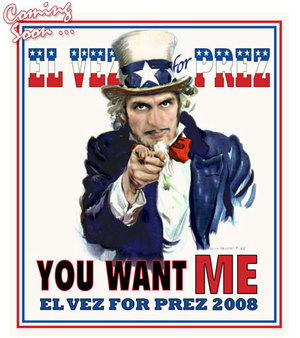 In this month’s podcast Jerry Garcia talks to Professor Michelle Habell-Pallan about Chicano and Mexican pop music and pop culture from from rock and roll through punk to hip hop. Professor Michelle Habell-Pallan is an associate professor of the Women’s Study Center at the University of Washington. She is author of Loca Motion: The Travels of Chicana and Latina Popular Culture and co-editor of Latino/a Popular Culture with Mary Romero as well as a series of influential articles. Most recently, she has curated award-winning traveling exhibit American Sabor: U.S. Latinos in Popular Music, a collaboration between the University of Washington and The Experience Music Project Museum. The show is currently at the Miami Science museum.
Posted in Uncategorized | 1 Comment »
October 9th, 2008
 This podcast looks at the two overriding issues of Mexican politics today – the ramifications of the 2006 presidential election and President Calderon’s so-called “War on Drugs”. We speak to leading political historian, Wil Pansters, a professor at Utrecht University, the Netherlands, and author of numerous books on Mexican political history including Caciquismo in Twentieth-Century Mexico, Citizens of the Pyramid: Essays on Mexican Political Culture and Politics and Power in Puebla: The Political History of a Mexican State, 1937-1987. We also talk to journalist and author Sam Quinones. Sam is a reporter at the LA Times and author of Antonio’s Gun and Delfino’s Dream: Truer Tales of Mexican Migration and True Tales from Another Mexico: The Lynch Mob, The Popsicle Kings, Chalino and the Bronx.
Posted in Uncategorized | 4 Comments »
September 11th, 2008
 In this podcast we look at the history of Mexicans and Chicanos in Hollywood and the Mexican film industry. We also examine the current fashion for Mexican actors and directors in Hollywood today. We are fortunate enough to have an interview with one of the leading scholars in the field of Mexican and Chicano cinema, Professor Charles Ramirez Berg, author of Latino Images in Film: Stereotypes, Subversion and Resistance and Cine Mexicano: Poster Art from the Golden Age.
Posted in Uncategorized | 5 Comments »


